
Frequently asked questions
Where is Nepal?
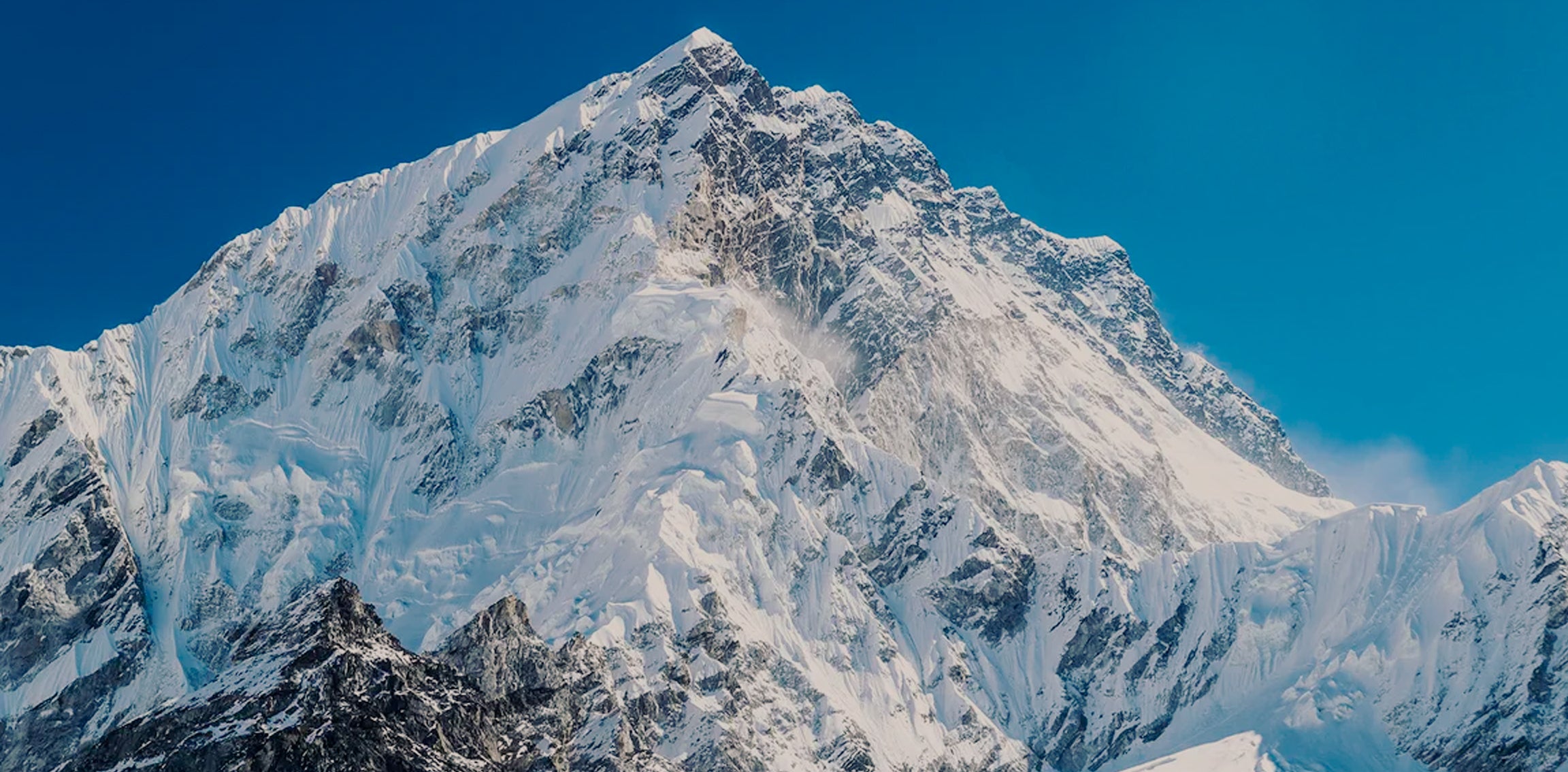
Nepal is a beautiful country in Asia, nestled along the southern slopes of the Himalayas. It shares borders with China to the north and India on all other sides. The landscape is incredibly diverse—from lush plains to forested hills and towering mountains. In fact, Nepal is home to eight of the world’s ten tallest peaks, including Mount Everest, the highest point on Earth at 8,848 meters.
The capital city, Kathmandu, is the largest in Nepal, with around a million people from various ethnic backgrounds. Most residents follow Hinduism or Buddhism. Known as the "City of Temples," Kathmandu is rich in art, culture, and history. Festivals and religious celebrations are a big part of everyday life here.
Tourism plays a major role in Nepal’s economy, and Kathmandu is the main gateway for visitors heading to the Himalayas and UNESCO World Heritage sites. Each year, about 1.5 million tourists come to experience its natural beauty and cultural heritage.
Who are the Sherpa people?
The Sherpa people are an ethnic group native to the high-altitude regions of the Himalayas. Their language has roots in Tibetan, and they follow Nyingmapa Buddhism—one of the oldest Buddhist traditions in Tibet. Sherpas also believe that mountains are home to spiritual beings like deities and demons, and these beliefs are deeply woven into their religious practices. For them, the Himalayas are sacred, and rituals and prayers on the mountains are a meaningful part of life.
Thanks to their deep knowledge of the terrain and ability to thrive at high altitudes, Sherpas have long been recognized as elite mountaineers. They played a crucial role in early Himalayan expeditions and continue to be essential to modern climbs, especially on Mount Everest.
What currencies are accepted in Nepal?
It’s best to take US dollars with you when travelling to Nepal, as they’re widely accepted and easy to exchange for Nepalese Rupees. If you pay in dollars, you’ll usually get your change in the local currency. Be sure to carry plenty of small notes for buying snacks or souvenirs, since some shops may not have change for larger bills. Save the bigger notes for tipping your guides at the end of your trek. Your lead guide will let you know how much cash to bring before your trip.
What food will I eat whilst in Nepal?
Food is a key part of the trek, and we make sure meals are fresh and locally sourced for the best quality. During the Everest Base Camp trek, you’ll stay in traditional lodges called tea houses, where meals are cooked on large stoves—mostly using propane, though some still use wood or yak dung. A good diet, especially one rich in carbs like rice, pasta, and bread, is important for your energy and success on the trail. As we climb higher, the menu becomes simpler since all ingredients are carried up by porters or yaks. Lunch is usually enjoyed at trailside restaurants, and tea or coffee is served with meals. You can also buy extra snacks and drinks from tea houses and small shops along the way.
Will I be met on arrival at Kathmandu airport?
Yes, Highlander Gurkha Exped representative will meet you at the airport to begin your trip.
Can I hire some gear?
No, unfortunately we don’t currently provide equipment for hire but can recommend Expedition to Kit Hire.
Can I take my camera?
Yes, taking photos is an absolute must! We do however advise you only to take a small camera as the extra weight of large SLR type cameras and accessories can all add up.
Do I need a down Jacket?
Whilst ultimately this is your choice, we would say yes. They are undoubtably warmer and offer the best type of insulation per weight ratio. They come into their own on summit day and during any winter assent.
Can you help me choose new items of PPE?
Yes, of course, we would be happy to offer advice in selecting new items of PPE.
Do I need a guide?
Using a fully qualified guide is not mandatory and we would encourage experienced hillwalkers, climbers, and mountain users to explore and have their own adventures. Employing a guide does, however, bring some benefits which include making the most of your available time to achieve more than you can though possible and learning new skills as well as getting a greater insight.
Do I need any vaccinations?
You are likely to require vaccinations for the majority of our overseas trips. We recommend you book an appointment with your GP to discuss your trip so they can provide you with specific advice. More information can be found here.
Do I need to book my flights?
Yes, you will need to book your own flights for this trip.
Do I need to have special insurance for my trip?
Yes. Most insurance companies do not cover you for trekking above 4000m. Make sure when taking insurance cover the policy covers you for trekking up to the appropriate altitude as follows:
- Everest Base Camp – 5644m (summit of Kala Patthar)
- Kanchenjunga Base Camp – 5200m
Your insurance must include medical and emergency evacuation (helicopter rescue). Insurance is a condition of booking and we request that all clients provide us with proof of insurance before travel (8 weeks before departure).
Do I need to take my own first aid kit, or will this be provided?
Yes, we recommend you carry a small first aid kit in your day pack containing the following items:
- Blister plasters
- Antiseptic cream
- Personal medications
- Ibuprofen
- High factor sun protection
- Imodium
- Your first aid kit should be small and light so as not to add too much weight to your day pack. Our Guides carry full group first aid kits for dealing with more serious injuries.
Do I need to take Malaria tablets?
Mosquitos don’t generally survive above 1800m. However, a risk still remains and we recommend taking advice from your GP before you travel. Further information including advice on bite prevention and vaccinations can be found here.
Do I need waterproofs for both summer and winter?
Yes, waterproofs are essential all year round. Even in summer, when the weather is mostly sunny, sudden heavy rain can occur. A good quality waterproof jacket (like a Gore-Tex hard shell) and over-trousers will keep you dry and also protect you from strong winds as you climb higher. For detailed recommendations, please check our kit list for both summer and winter treks.
Is drinking water provided during the trek?
Yes, we provide safe drinking water throughout the trip (unless stated otherwise). In the early stages, you’ll usually get bottled water. As we move into more remote areas, water is sourced from local streams and springs—but don’t worry, it’s always filtered and boiled to make sure it’s safe to drink.
What happens if I get sick or injured during the trek?
We focus on prevention first—our trips are carefully planned to reduce the chance of medical issues. However, if something does go wrong, our experienced, first-aid trained local guides will handle it initially. If the situation is more serious, we’ll quickly arrange for local rescue services to evacuate you to the nearest medical facility. Please make sure your travel insurance covers medical emergencies and rescue.
How difficult is the Kanchenjunga Base Camp trek?
It’s a challenging trek through remote and rugged terrain at high altitudes. You’ll need to be physically fit and prepared for a multi-day adventure.
How long is the Kanchenjunga Base Camp trek?
The trek covers around 220 km (138 miles) and takes roughly three weeks to complete.
How fit should I be for the Everest Base Camp trek?
You’ll need a Restricted Area Permit and a Conservation Area Permit. We’ll handle all the paperwork for you, but please note: permits require a minimum of two trekkers—solo travel isn’t allowed in this region.
What permits are needed for the Kanchenjunga trek?
Good fitness makes the trek more enjoyable and helps with recovery and acclimatisation. The fitter you are, the easier the journey will feel and the more likely you’ll reach key viewpoints like Kala Patthar.
When do I need to pay for my trip?
A 25% deposit is due at booking. The remaining balance must be paid 8 weeks before departure. If you book within 8 weeks of departure, the full amount is due upfront. Contact us if you’d like to discuss payment options.
How long should my passport be valid for?
Your passport must be valid for at least 3 months beyond your travel start date. Check the latest guidance on gov.uk to be sure.
Header here
How much spending money should I bring for the Everest Base Camp trek?
It varies by person, but here’s a rough guide:
Visa: 30-day visa costs US$50, payable in cash on arrival.
Kathmandu meals: Budget around £25/day for food and drinks.
On the trek: Meals, tea/coffee with meals, and 3L of boiled water daily are included. Extras like soft drinks, snacks, and Wi-Fi cost more as you go higher.
1.Water: 100–500 NRP (£0.60–£3)
2.Soft drinks: 100–500 NRP
3.Tea/coffee & cake at Lobuche: ~1500 NRP (£9)
4.Wi-Fi: 500–1000 NRP
5.Hot showers: 500–1000 NRP (£5)
Tips: Budget for tipping guides and porters. We usually have one guide and one porter per two trekkers.
Most people bring £300–£500, preferably in US dollars, which are easier to exchange in Nepal.
How safe will my personal belongings be during the trek?
Our guides and leaders do their best to keep your belongings safe. For extra peace of mind, we recommend using a small padlock on your duffle bag. Always keep valuables like your passport and money with you in your daypack. If you usually wear jewellery, it’s best to leave it at home unless it’s essential or for medical reasons. Ultimately, it’s your responsibility to look after your valuables while travelling
How can I avoid getting Altitude Mountain Sickness (AMS)?
To reduce your risk of AMS, follow these five simple tips:
1.Go slowly – Take your time on the trail to help your body acclimatise. Enjoy the views and take regular breaks.
2. Stay hydrated – Drink plenty of water. Clear urine and frequent toilet breaks are good signs.
3.Eat well – Your body needs energy for both trekking and acclimatising, so don’t skip meals.
4.Keep warm – Staying warm helps your body focus on acclimatisation. Wear layers and use a 4-season sleeping bag.
5.Rest properly – Sleep is vital. Get early nights and make sure you’re warm and comfortable.
Should I take Diamox to prevent AMS?
Diamox can help reduce the risk of AMS, but it’s not a substitute for proper acclimatisation. We don’t recommend using Diamox on our trips—taking your time and acclimatising naturally is the best approach.
Is it true I should avoid meat while trekking in Nepal?
Yes, we recommend going vegetarian beyond Kathmandu. Meat on the trail is often carried in without refrigeration, which can lead to foodborne illness. To stay safe and healthy, stick to vegetarian meals until you're back in the city.
Kanchenjunga Base Camp trek
What is the return policy?
Our goal is for every customer to be totally satisfied with their purchase. If this isn’t the case, let us know and we’ll do our best to work with you to make it right.
Are any purchases final sale?
We are unable to accept returns on certain items. These will be carefully marked before purchase.
When will I get my order?
We will work quickly to ship your order as soon as possible. Once your order has shipped, you will receive an email with further information. Delivery times vary depending on your location.
Where are your products manufactured?
Our products are manufactured both locally and globally. We carefully select our manufacturing partners to ensure our products are high quality and a fair value.
How much does shipping cost?
Shipping is calculated based on your location and the items in your order. You will always know the shipping price before you purchase.